01
Edge AI & vision
Compact models and reliable inference paths for field inspection, from YOLOv5-Lite compression to Raspberry Pi deployment.
View inference evidenceSOFTWARE & DESIGN LAB
I build the models, control paths, simulation tools and product interfaces that turn sensing hardware into a usable system.
01 · CAPABILITY TRACKS
The work is organized around engineering outcomes: inference, autonomy, control and fast iteration.
Compact models and reliable inference paths for field inspection, from YOLOv5-Lite compression to Raspberry Pi deployment.
View inference evidenceROS nodes, EKF alignment, 3D SLAM, local planning and telemetry paths that connect autonomous decisions to real actuators.
View ROS architectureLSTM+CNN time-series workflows with windowing, normalization, residual analysis and forecast-aware feed-forward control.
View tuning dashboardScienceRAG, MiroFish, Hermes and Codex support structured research, scenario analysis, rapid prototyping and debugging.
Read technical map02 · IMPLEMENTATION EVIDENCE
These artifacts connect implementation details to visible system behavior. Open any image to inspect the original resolution.
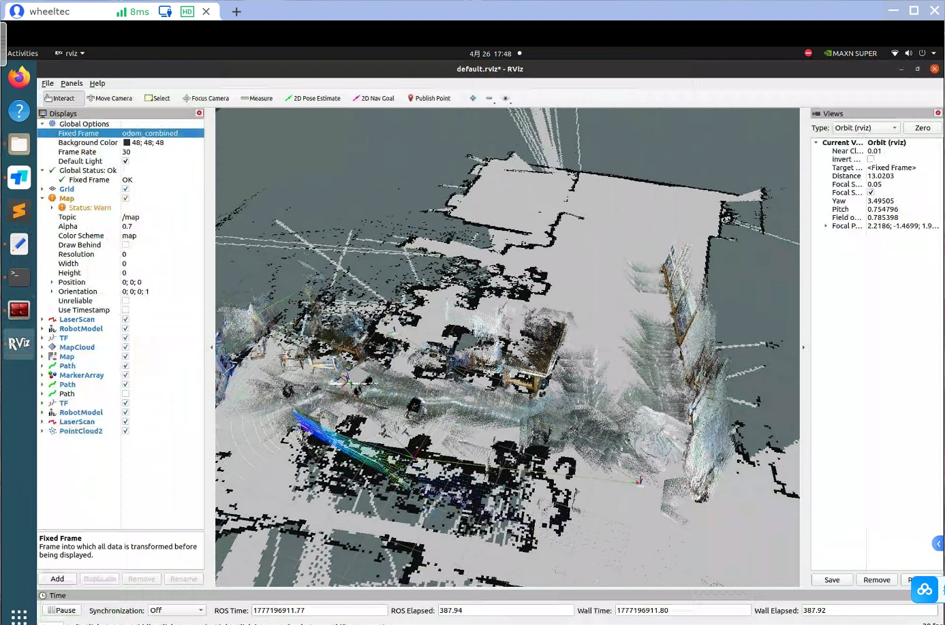
RViz validation of the fused point cloud, occupancy map, odometry, paths and robot frames produced by the navigation stack.
Open full image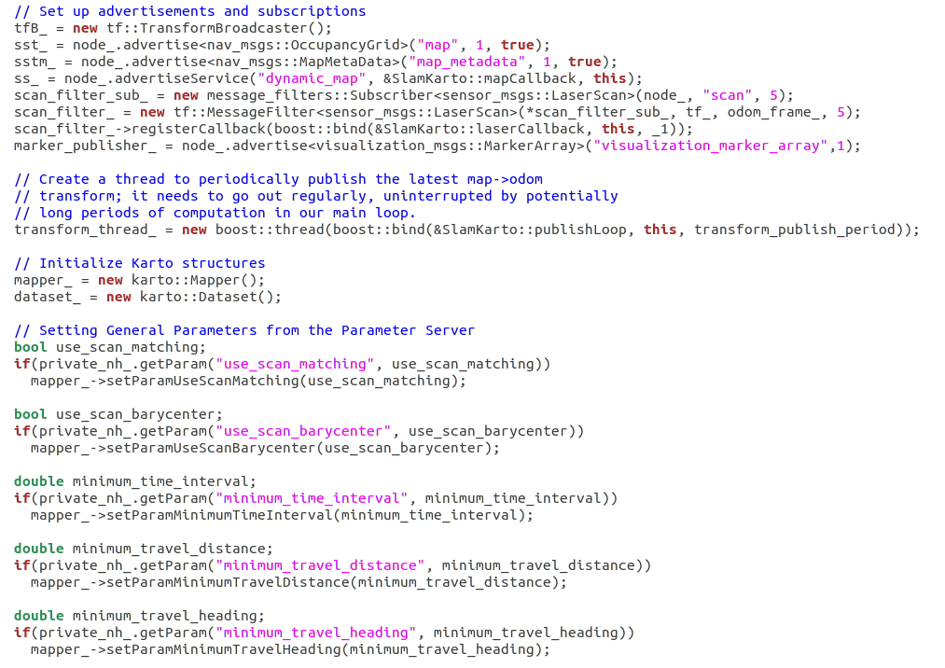
Laser-scan subscription, map and odometry publication, scan matching and travel-threshold parameters in the ROS mapping node.
Open full image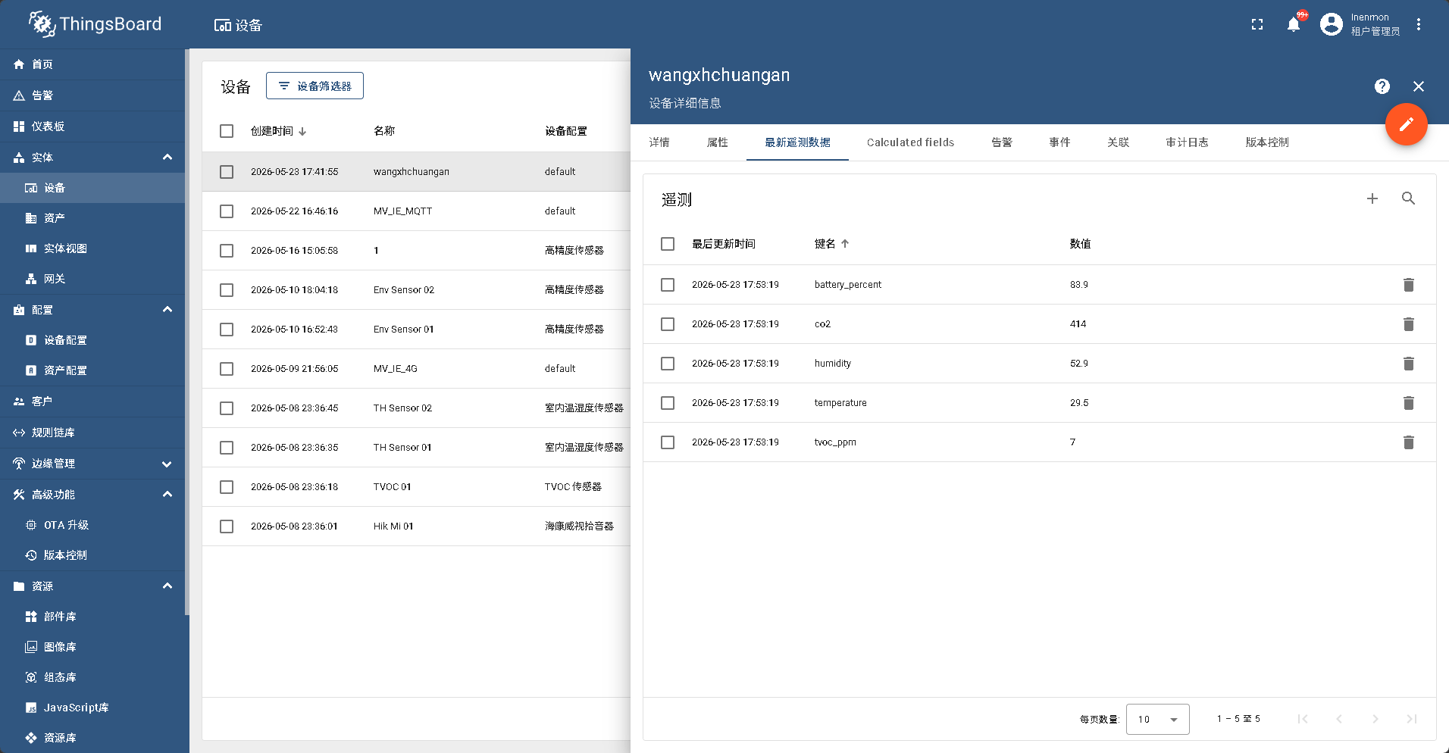
Live device attributes for battery, CO2, humidity, temperature and TVOC confirm the sensor-to-cloud data path.
Open full image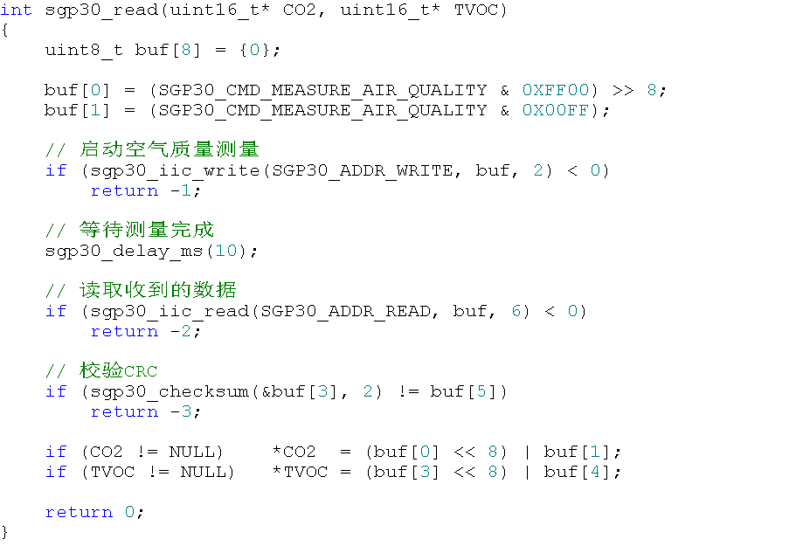
The embedded driver triggers air-quality measurement, waits for conversion, validates CRC and decodes CO2 and TVOC data.
Open full image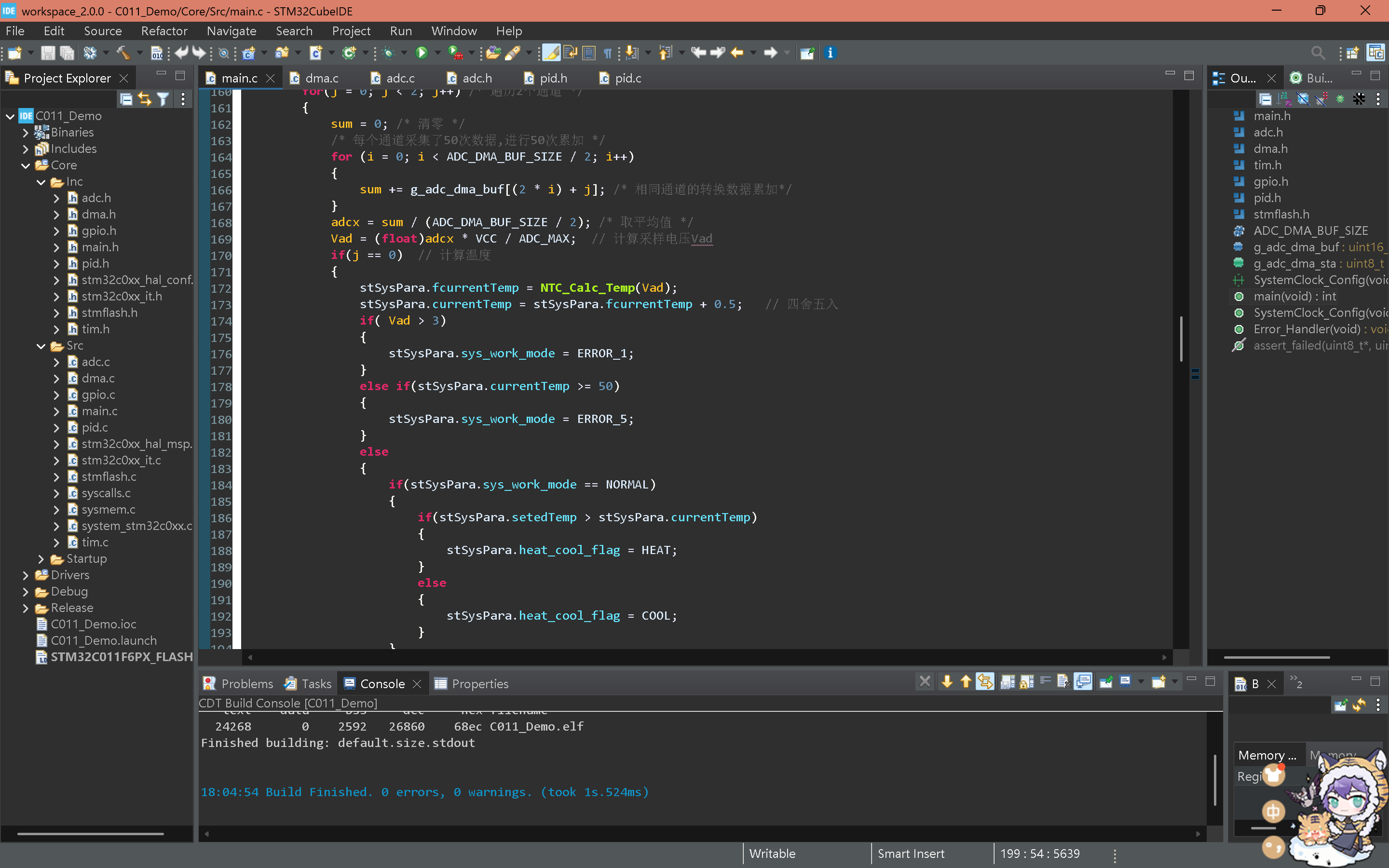
ADC-DMA averaging feeds NTC temperature conversion, fault thresholds and heat/cool state decisions in a clean STM32 build.
Open full image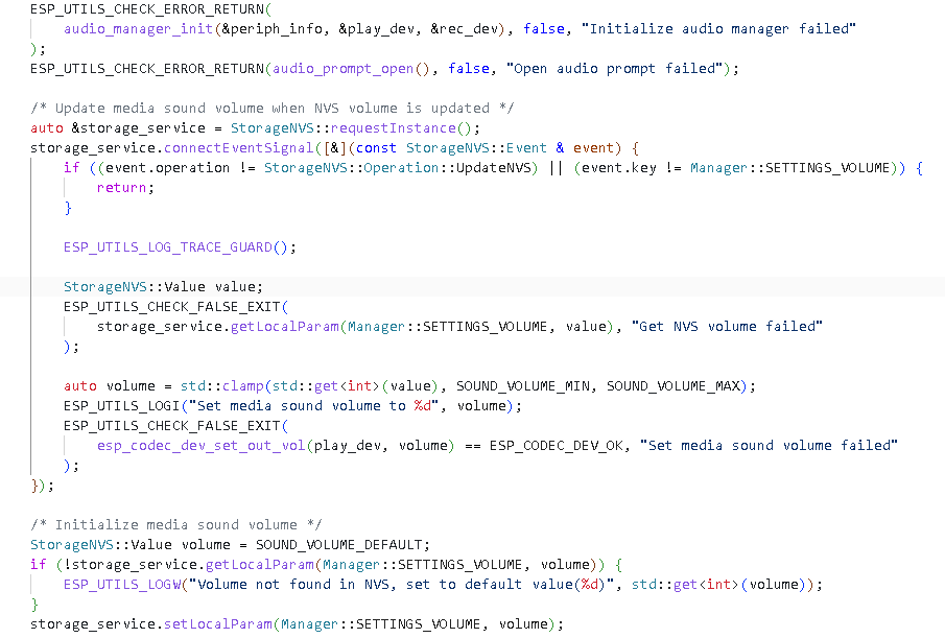
An NVS event callback clamps persisted volume values and applies them safely to the codec output path.
Open full image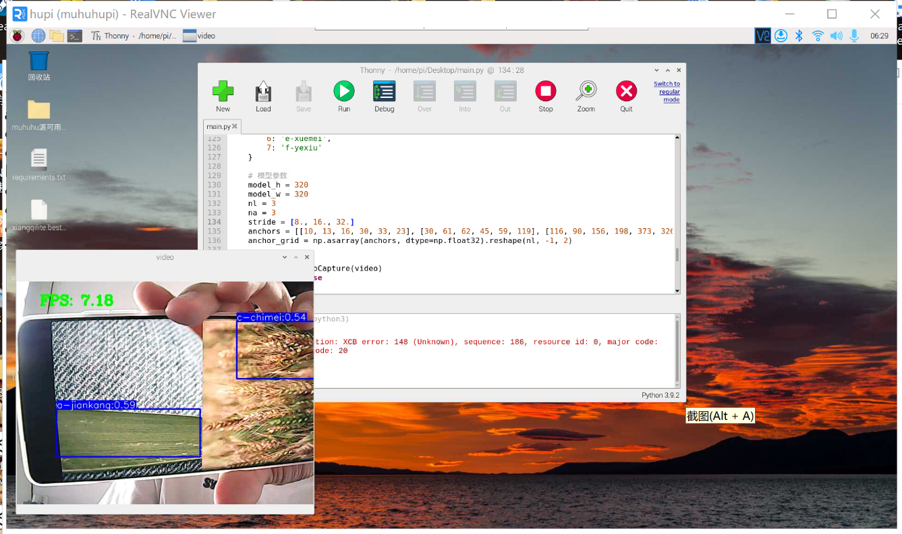
A deployed lightweight detector runs against live imagery on the Raspberry Pi, exposing labels, confidence and measured frame rate for field validation.
Open full image03 · SCIENTIFIC AI
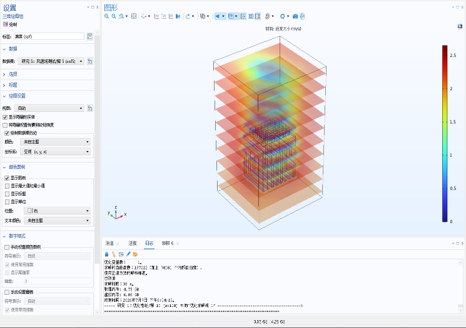
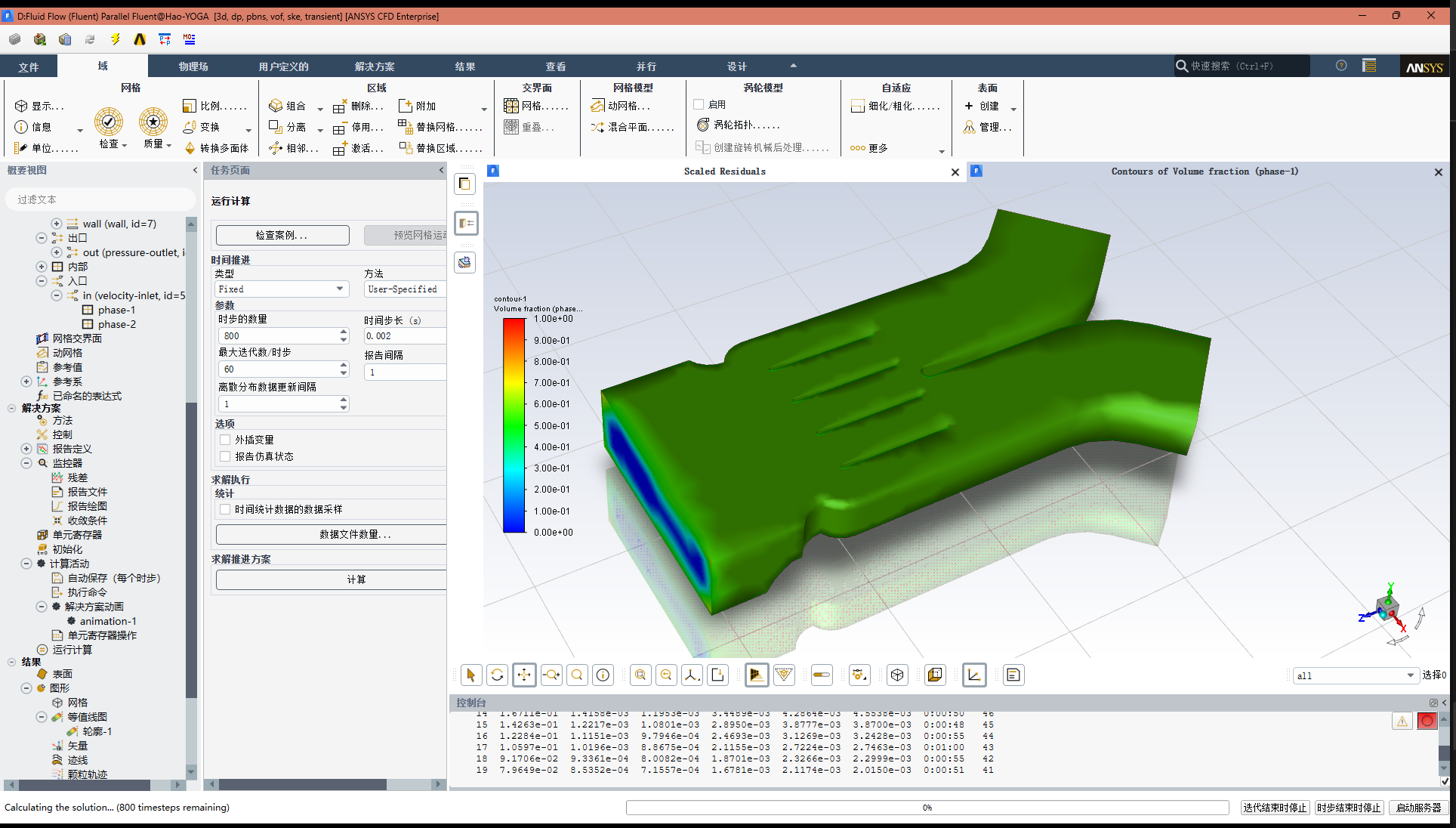
The internship work combines multiphysics assumptions, finite elements and learned surrogates into a faster TEC design loop.
COMSOL and Fluent workflows cover electromagnetic, electric-potential, electrothermal and CFD/TEC cases.
FEniCS finite-element models provide the trusted baseline for geometry, materials, sources and boundary conditions.
Reduced-order models, latent spaces, PINN and PINO surrogates shorten parameter sweeps and design iteration.
04 · PRODUCT & SYSTEM DESIGN
Mechanical layout, interface hierarchy and visual communication are treated as part of the engineering system.
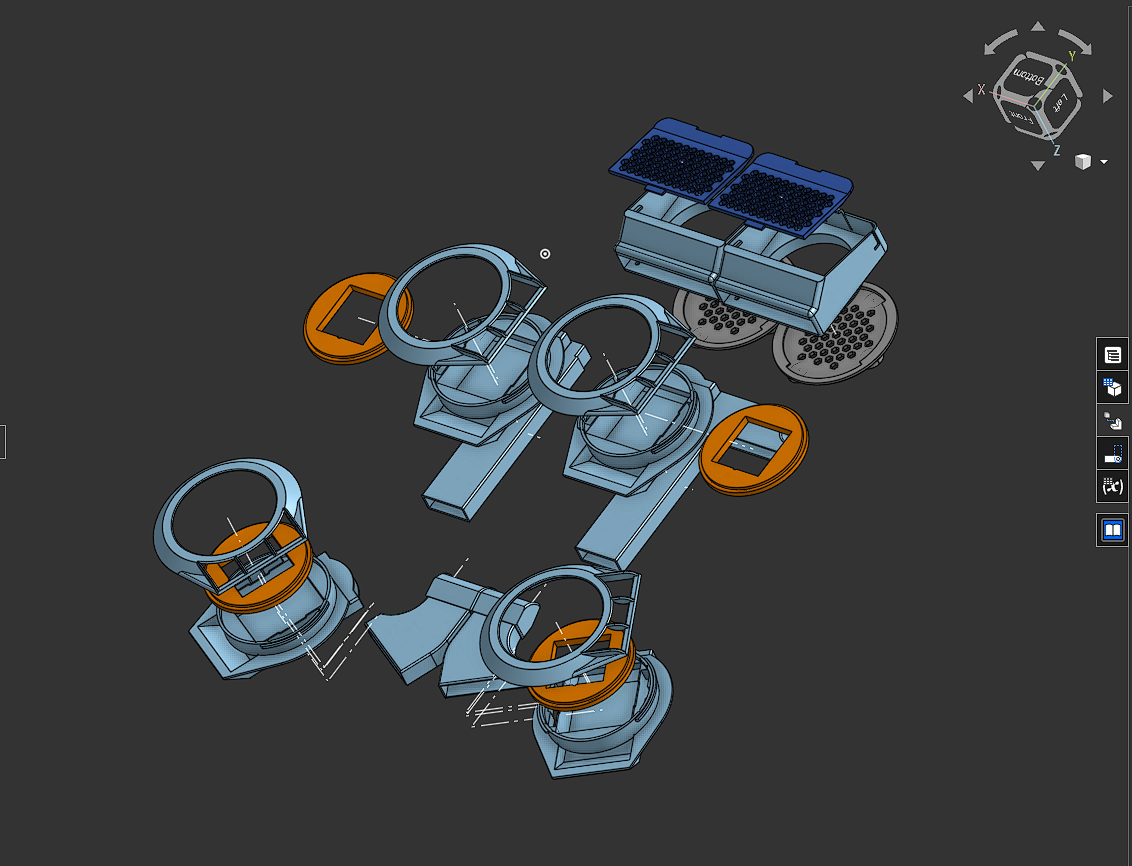
3D assembly modelling balances component placement, airflow packaging, thermal constraints and manufacturable enclosure decisions.
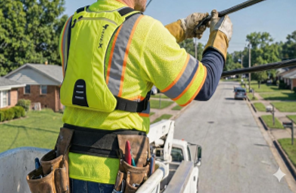
The interface between technical evidence and a product scenario makes the system legible to users and stakeholders.
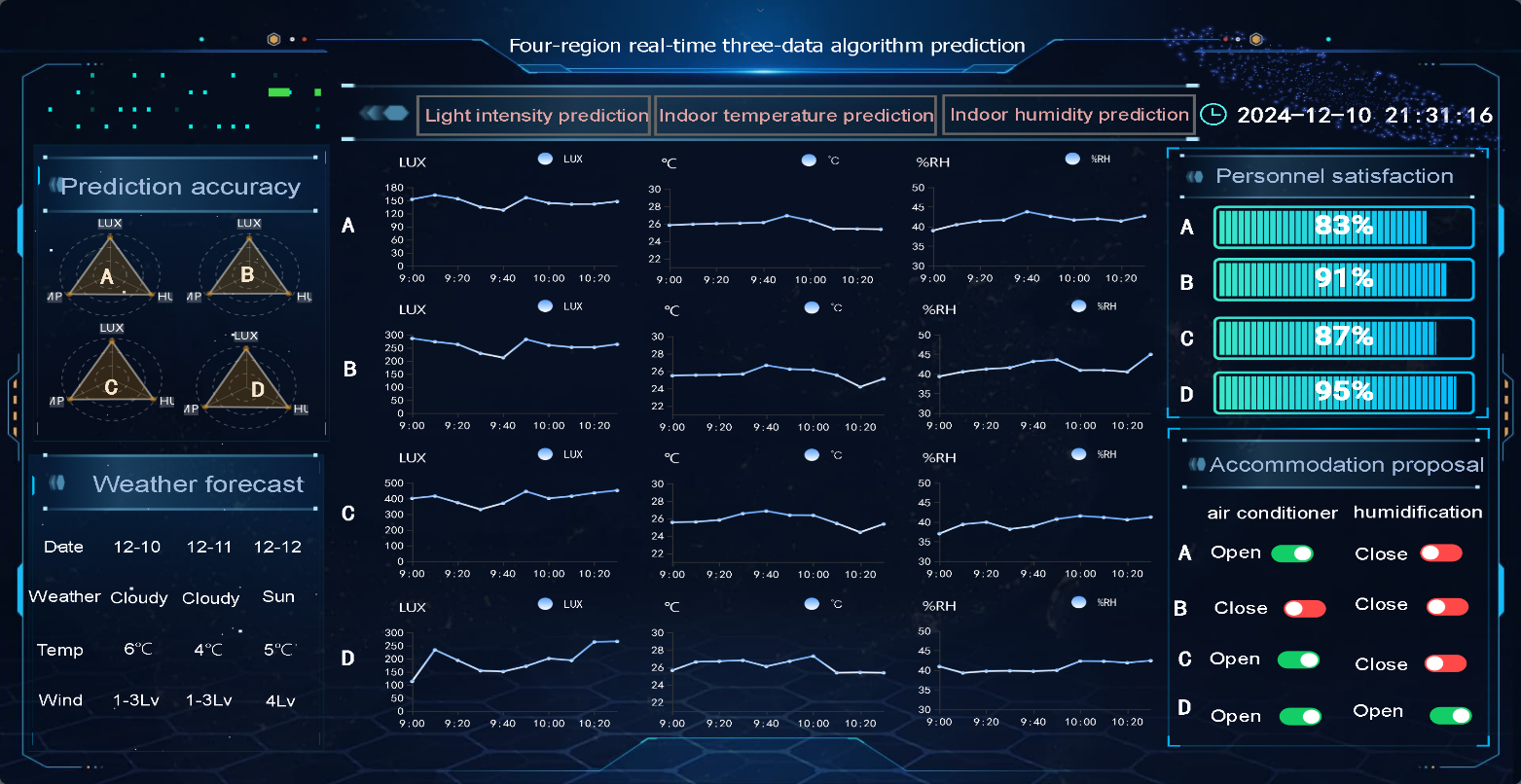
Telemetry, prediction residuals and control state become visible decisions instead of hidden logs.